5 Women's Health Secrets Doctors Are Finally Talking About in 2026
From hormone chaos to gut health — science is finally catching up to what women have known all along.
Women's health in 2026 is getting the serious, science-backed attention it always deserved.
Let's be real for a second.
If you've ever walked into a doctor's office feeling exhausted, bloated, or just plain off — and walked out with nothing but a pat on the back — you're not alone.
For decades, women's health got shoved into two boxes: pregnancy or menopause. Everything in between? "Stress. Try yoga."
But 2026 is different. The research is finally catching up. And women across the U.S. are discovering that what they've been feeling for years actually has real, measurable, fixable causes.
Here are the 5 biggest shifts happening in women's health right now — and what you can actually do about each one.
1. Your Hormones Aren't "Just PMS" — They're a Complete System

Cycle syncing is one of the fastest-growing health practices among American women in 2026.
Here's something most doctors still don't tell you: your hormones shift across four distinct phases every single month. And each phase changes how your brain works, how your body burns fat, how you sleep, and even how social you feel.
The growing practice of cycle syncing — matching your diet, exercise, and even your work schedule to your hormonal cycle — is changing how women think about energy and productivity. And the results people are reporting are hard to ignore.
#CycleSyncing has exploded online, but it's not just a trend. Functional medicine doctors are now recommending it for PCOS, thyroid issues, and chronic fatigue in women.
- Take magnesium glycinate at night — it lowers cortisol so your sleep actually feels restful
- Try seed cycling: flaxseeds + pumpkin seeds in the first 2 weeks of your cycle; sesame + sunflower seeds in the last 2
- Download a free period tracker and log your energy for 30 days — the pattern will blow your mind
2. Your Gut Is Literally Running Your Hormones
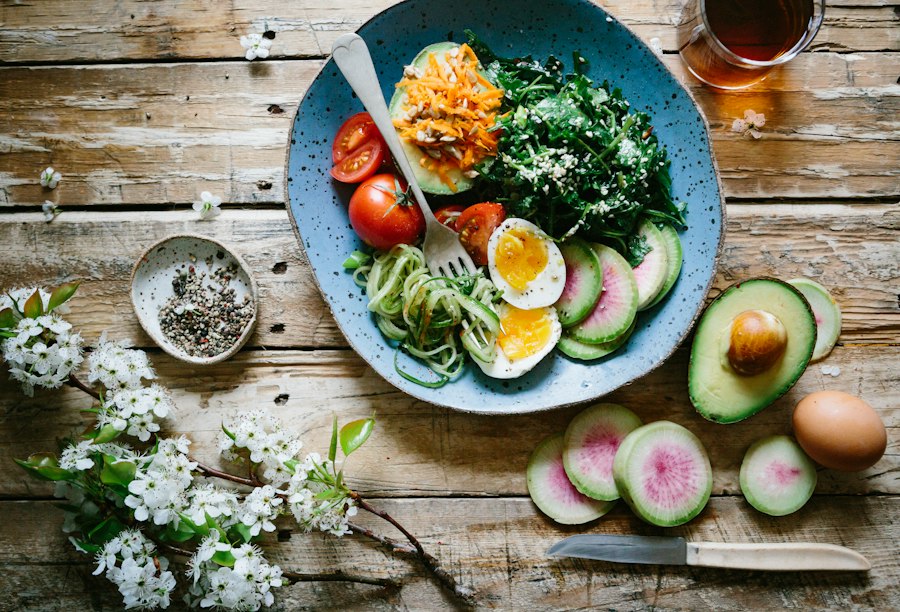
What you eat directly shapes your hormonal environment — and most women don't know this connection exists.
This one stopped me cold when I first learned about it.
Your gut bacteria don't just help you digest food. They actually metabolize and regulate estrogen. When your gut is off balance, estrogen can't be properly cleared from your body — and that backup quietly drives mood swings, weight gain, bloating, skin breakouts, and worse over time.
Researchers call this system the estrobolome, and it's being called one of the most under-studied factors in women's health.
What's blowing up right now: psychobiotics — a new class of probiotics specifically studied for mental health. Certain strains actually produce GABA (your brain's calming chemical) right in the gut. The science is early, but the concept is real.
The good news: you don't need expensive supplements to start. Fermented foods daily (yogurt, kimchi, kefir), diverse fiber, and cutting back on ultra-processed food move the needle more than most people expect.
3. You're Not Lazy — You Might Just Have Low Ferritin
Chronic fatigue is one of the most dismissed symptoms in women — but there's often a simple, measurable cause.
You sleep 8 hours. You still feel like you've been hit by a truck. You've had your blood checked. Doctor says everything's "normal."
Sound familiar? Here's what's almost certainly being missed: ferritin.
Ferritin is the protein that stores iron in your body. Standard blood panels check hemoglobin — but not ferritin. You can have critically low iron stores and still show up as "fine" on a basic CBC. Low ferritin causes fatigue, brain fog, hair thinning, cold hands, and shortness of breath. All of which get dismissed as "stress" in women every single day.
The movement spreading fast in 2026: women demanding advanced baseline bloodwork — and learning what optimal (not just "not dead") actually looks like.
- Ferritin — optimal is 50–100 ng/mL, not just "above 12"
- Vitamin D3 — optimal 60–80 ng/mL (most Americans are deficient)
- Free T3 + T4 — full thyroid panel, not just TSH
- Fasting insulin — catches insulin resistance years before diabetes
- Morning cortisol — your stress baseline tells a surprising story
4. GLP-1 Changed How America Thinks About Weight — And There Are Natural Ways In
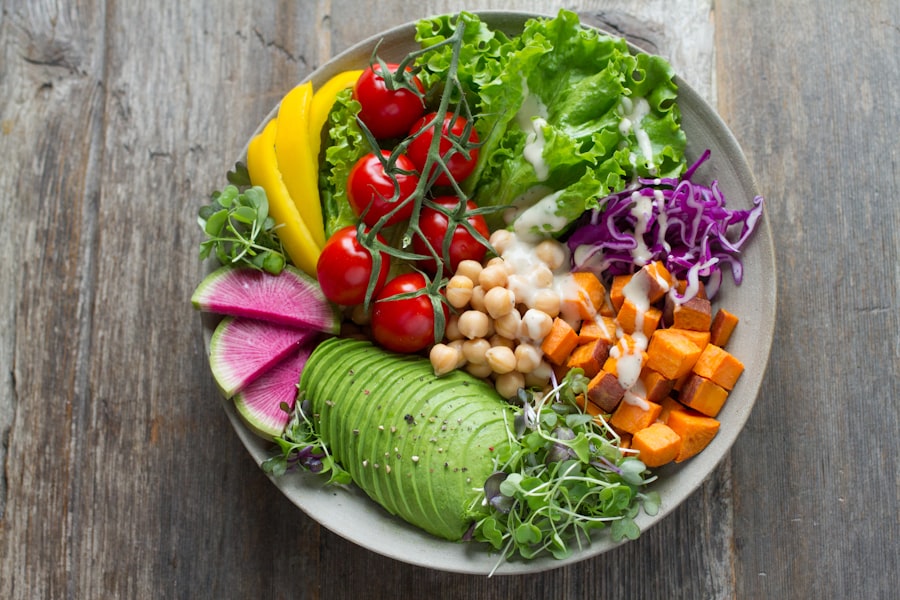
The GLP-1 era has permanently shifted the weight loss conversation — and you don't need a prescription to benefit.
By now, you've heard of Ozempic and Wegovy. These GLP-1 medications took over the news — and for good reason. They've proven what researchers suspected for years: weight gain isn't about willpower. It's hormonal. It's metabolic. And for many women, the system is genuinely dysregulated.
But here's what doesn't get talked about enough: your body already produces GLP-1 naturally — and specific foods and habits can significantly boost that production.
High-fiber diets (especially resistant starch) trigger your gut to release GLP-1 on its own. Berberine, a plant compound, has earned the nickname "nature's Ozempic" in wellness circles — though experts are careful to note it's far less potent than the medication itself.
- Eat protein first at every meal — it stabilizes blood sugar before carbs hit
- A 10-minute walk after dinner lowers post-meal glucose more than most realize
- Add resistant starch (cooled rice, green bananas, oats) to naturally boost GLP-1
- Poor sleep raises insulin resistance the very next day — protect your 7–8 hours
🌿 Struggling With Weight, Energy, or Cravings?
CitrusBurn is one of the top-rated natural supplements for women right now — designed to support metabolism, curb cravings, and recharge energy without stimulants.
👉 Check CitrusBurn — Official Site✅ Natural ingredients · 60-Day Money-Back Guarantee · Made in USA
5. "Just Relax" Isn't a Treatment — Your Nervous System Needs Real Training

In 2026, mental wellness has evolved — from managing symptoms to actually building resilience at the nervous system level.
Women are twice as likely as men to experience anxiety and depression. Not because they're weaker. Because the biology is different — and it's been under-researched for decades.
The concept rewriting how experts approach this in 2026: nervous system regulation. Most modern women are running in a constant low-grade "fight or flight" state without realizing it. Cortisol stays elevated. Sleep stays shallow. The body never fully downshifts — even when nothing is technically "wrong."
Somatic practices — physical movements that directly signal safety to the nervous system — are going mainstream fast. A longer exhale than inhale activates the vagus nerve. Cold water on the face slows the heart rate through the dive reflex. Gentle shaking releases stored tension. These aren't trends — they're neuroscience.
- Breathe in for 4 counts, out for 8 — repeat 5 times when overwhelmed
- Splash cold water on your face when you wake up — clears mental fog fast
- Adaptogens (ashwagandha, rhodiola) support cortisol over 4–8 weeks of consistent use
- No screens 45 minutes before bed — blue light keeps cortisol elevated into the night
Your Simple Starter Plan — No Overwhelm
Pick one or two of these. Start small. Build from there. That's how lasting change actually works.
| # | Action | Cost |
|---|---|---|
| 1 | Track your cycle + energy for 30 days | Free |
| 2 | Request ferritin, D3, and fasting insulin labs | ~$100–200 |
| 3 | Add one fermented food daily (yogurt, kimchi, kefir) | ~Free |
| 4 | Take magnesium glycinate 30 min before bed | ~$15/mo |
| 5 | 10-min walk after dinner, 4–5 times a week | Free |
| 6 | Practice 4-8 breathing when cortisol spikes | Free |
🌸 Want More Women's Health Tips Like This?
Bookmark DealGlobe360 — we publish honest, science-backed health reviews and guides every week. No fluff. No fake hype. Just real information for real women.
👉 Visit DealGlobe360📌 Save this post · Share it with someone who needs it
Comments
Post a Comment
We love your thoughts! Drop a comment below. 💬